Accessibility Tools

Skip to main content
How can we help you?

Parks and Green Spaces

The importance of pollinators and other beneficial insects

Our native pollinators include bumblebees and other bees (250 species), butterflies and moths, flies, beetles and wasps.

There are over 4000 species of insect in the UK that carry out pollination of our native wild plants and our food crops.

Insect pollination is extremely important to the UK economy, with estimated values of £691 million annually.

Pollinators under threat

  • Half of our 27 bumblebee species are in decline
  • Three of these bumblebee species have already gone extinct
  • Two-thirds of our moths are in long term decline
  • Across Europe 38% of bee and hoverfly species are in decline
  • 71% of our butterflies are in decline

Most significant factors leading to these declines in pollinator numbers

Habitat loss
The most significant cause of decline is the loss of high quality habitats which provide food, shelter and nesting sites for pollinators. The loss of wildflower-rich grasslands is one of the most important issues. Over three million hectares of these habitats have been lost in England alone since the 1930's, the loss being attributed to more intensive farming and urban/industrial development.

Pesticides 
There's growing evidence that the use of pesticides is having long-term harmful effects on pollinators including honeybees, wild bees and butterflies.

Climate Change
Long term changes to our climate can deprive pollinators of food supplies when they need them, increase their exposure to parasites and diseases, or change habitats so that they are no longer suitable. We may see new pollinators coming in, but we need a resilient network of habitats to allow them to move through the countryside in response to climate pressures.

What pollinators need

Food 
Pollinators need food (nectar and pollen) throughout the season from March until September. Many plants and trees that can provide these food resources, including many so called ‘weeds’ such as dandelions and thistles.

In addition to flowers, many pollinators need other food resources to support their different life stages, for example butterfly and moth caterpillars need particular plants to feed on. This is often an overlooked requirement for this critical stage in the life cycle of many insects. 

Shelter and nesting 
Dense vegetation such as tussocky grassland, scrub, mature trees, and piles of wood and stone can provide essential habitat for hibernating pollinators. Many species overwinter as adults including queen bumblebees, and some butterflies and hoverflies, others as eggs, larvae or pupae.

Old burrows and dense vegetation are used by bumblebees, with sunny slopes and dry ground used by ground-nesting bees such as mining bees. “Tidying up” these areas over winter can be particularly damaging.

National Pollinator Strategy

The Government’s National Pollinator Strategy for England (2014) sets out a 10 year plan to help pollinating insects survive and thrive across England. The Strategy outlines actions to support and protect the many pollinating insects which contribute to our food production and the diversity of our environment.

Read the National Pollinator Strategy for England on GOV.UK

It is a shared plan of action which looks to everyone to work together and ensure pollinators’ needs are addressed as an integral part of land and habitat management.

In particular the Strategy asks local authorities to take a lead across many of their work areas and duties, including their role in local planning and also as managers of public and amenity spaces, brownfield sites, schools, car parks, roadside verges and roundabouts.

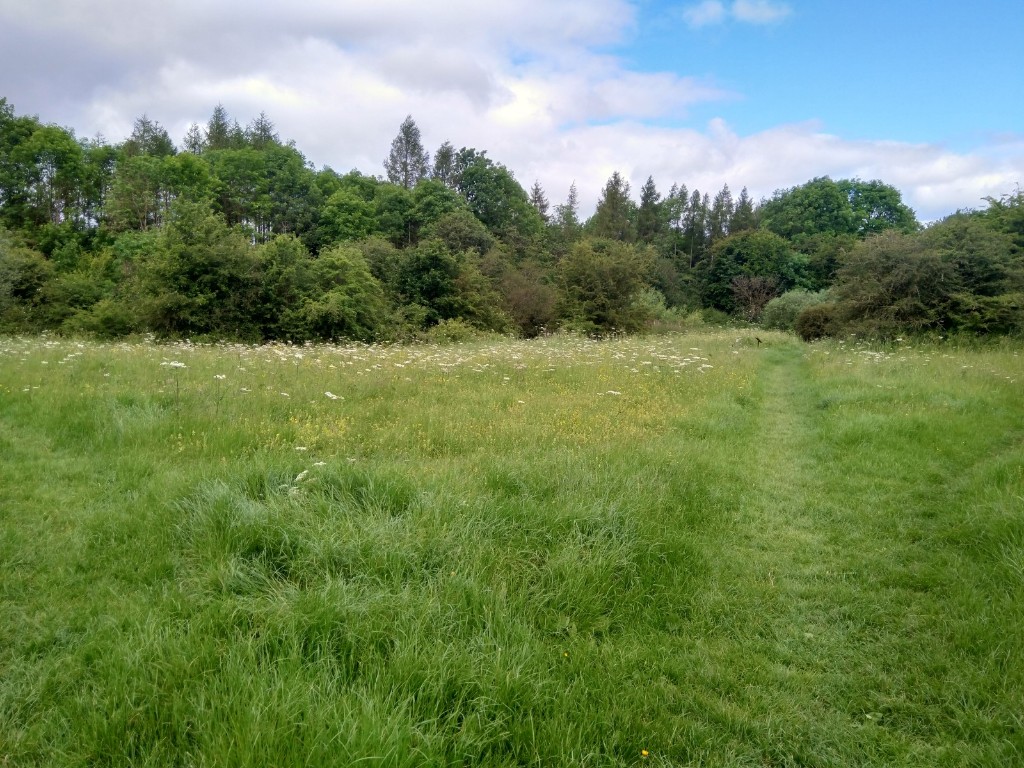
Nature Reserves

We work with Pershore Town Council and Worcestershire Wildlife Trust to look after Avon Meadows Community Wetlands and Local Nature Reserve in Pershore.

We also work in partnership with Worcestershire Wildlife Trust to manage two other local nature reserves in the area.

Read more about the Avon Meadows project.

Droitwich Community Woods

Droitwich Community Woods  Droitwich Community Woods Saltmarsh

Ombersley Way, Droitwich, Worcestershire, WR9 0RW

What Three Words ///cups.educated.warned

Droitwich Community Woods is a tranquil place, although close to Droitwich Town and many roads there are many quiet places where you are surrounded by the woods and water courses that are ideal for reflection.

It is a green flag award accredited local nature reserve located within the Salwarpe Valley, approximately 1.5km from the town centre. The nature reserve is managed in partnership with Worcestershire Wildlife Trust, who support groups of local and roving volunteers to carry out conservation activities on site and bring education groups.

There is a small car park on Ombersley Way. There are three waymarked trails that lead visitors through the woodland that all start and end at the small car park. The Knapweed trail is the most accessible route with gentle slopes, but unsurfaced paths become muddy in wet conditions, it is ½ mile (800m). The Bullfinch trail is 1 mile (1500m) and the Marbled white trail ½ mile (800m).

We have trails available for you to download in .GPX format onto your phone. You may need to download the GPX Viewer app.

default Bullfinch Trail (62 KB)

default Butterfly Walk (41 KB)

default Knapweed Trail (38 KB)

You can also download a PDF version of all the trails to print off or view on your phone.

pdf Download the Droitwich Woods Trail map (12.84 MB)

The open space covers a total of 30.3 hectares and offers of a mixture of deciduous woodland, scrub habitat, grassland, meadows and riverbanks. The area is divided by the A38 (Roman Way), Ombersley Way, Chawson Lane, River Salwarpe, Droitwich Canal and the main railway line to Birmingham.

The habitats include saltmarsh, which is a rare find in this in-land location. The area overlies salt-bearing rock strata laid down over 200 million years ago. The strata were close enough to the surface for saline springs to occur and salt extraction to take place from the Roman period onwards. The marshes have developed here as a result of saline water in the River Salwarpe, the local springs, streams and ditches.

Green Flag Award logo

What to look out for in Droitwich Woods

Birds: kingfishers, kestrel, green woodpecker, bullfinch

Trees: wild pear, sweet chestnut, oak, poplar, wych elm

Flora: primrose, yellow rattle, knapweed, oxeye daisy, bluebell, lesser sea-spurrey, dittander.

Butterflies: red admiral, peacock, marbled white

Other insects: glow worms (they are beetles despite their name!), dragon flies, damsel flies,

Activities:

Occasional guided walks and family nature activities take place, check our social media for any upcoming activities that may be planned.

The woods are frequently visited by educational groups from primary school through to university level. If you would like to bring a school group for a river study or other outdoor educational activity, please contact Worcestershire Wildlife Trust for more information.

Worcestershire Wildlife Trust support a group of volunteers who regularly carry out conservation and access works in the woods.

Please see Droitwich Community Woods | Worcestershire Wildlife Trust (worcswildlifetrust.co.uk) for contact details;


Visit WDC Park Facebook page and Worcestershire Wildlife Trust Facebook page for further information.

A trail guide detailing other paths through the woods is available, information can be found on the Worcestershire Wildlife Trust leaflet.

Trail Guide (worcswildlifetrust.co.uk)

Broadway Gravel Pit

The local nature reserve is sited to the west of Broadway on an area previously used for gravel extraction until 1957.  

It now contains a variety of semi-natural habitats ranging from seasonal open water, to marsh and dry areas of grassland with scrub. The diversity of habitats has resulted in a great range of species being present on the site. Over 100 species of flowering plants have been recorded as well as many bird, mammal and invertebrate species, some of which are only found in wetland habitats such as this site supports.

For more information on the Gravel Pit visit the Worcestershire Wildlife Trust website.

Further information

For more information on Droitwich Community Woods and Broadway Gravel Pit contact the Parks Team on 01386 565000 between 9am to 5pm, Monday to Friday or email This email address is being protected from spambots. You need JavaScript enabled to view it..

To find out more about Avon Meadows or how to get involved with the Friends of Avon Meadows, please contact our Wetlands for All Project Officer, Liz Etheridge on 01386 565217 or This email address is being protected from spambots. You need JavaScript enabled to view it.

Get in touch

Still can't find what you're looking for?

Contact us for help with services not available online.
Wychavon - Background shape

Wychavon 50th anniversary logo